

Security metrics tell a story, do you know your audience?
As a security leader, if you aren’t aligning the metrics you present with the audience you’re presenting to, you’re off on the wrong foot with the exact people you are hoping to influence.
As a security leader, if you aren’t aligning the metrics you present with the audience you’re presenting to, you’re off on the wrong foot with the exact people you are hoping to influence.
To be effective, you have to understand who the audience is, what they care about, and why. Only then can you assemble a package of meaningful metrics that conveys what the audience needs to do their jobs effectively.
Bad metrics cause issues for the presenter and the organization
On the personal front, the presenter loses influence every time they present information the audience deems irrelevant or counterproductive. As a leader, they may not receive this feedback, making it critically important that they put in the time to ensure what they present aligns with what their audience needs to see.

First person view of presenter showing irrelevant metrics to the executive team. Again.
Beyond being personally detrimental however, presenting unaligned metrics has a real, unaccounted for cost. By focusing efforts on the wrong problem, they waste valuable time and money that could have been put to more productive uses. Prioritizing efforts is one of the most important jobs a security leader undertakes and poorly thought out metrics directly undercut the ability to succeed in it.
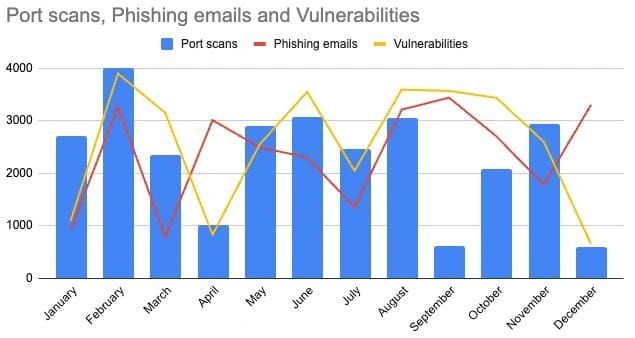
I read a recent security newsletter where they described a number of metrics that are useful for the board, including phishing email click through rates and the number of vulnerabilities. On top of being generally useless, putting them in front of the board would be sending a clear message that you don’t understand their role in the business. For the CISOs wondering where their “seat at the table” is, looking at what you report upwards is a good place to start.
What makes for good security metrics?
There’s no one right answer - it will differ from industry to industry and company to company and even within a company, will evolve over time. There are however, some basic questions you can ask yourself to shape your thinking on what measurements to use and how to convey them:
- Who are they for? An engineering manager and the board are going to have very different perspectives on what information they need to do their job well. Do you know what they care about and why? Digging into their concerns can spark discussions that not only help you but help them understand the context around the metric.
- Have you aligned with the rest of management on what the actual goal is? While a wonderful ideal, your goal is very likely not to build an infallible security program. Have you discussed the business's risk appetite in the context of confidentiality, integrity and availability as well as the tradeoffs involved for each?
- Does the metric influence outcomes or does it just report on things that already happened? You want your key metrics to be leading indicators so that when you move them in the appropriate direction, they move you closer to your goal. Looking at the number of breaches tells you what happened. Showing coverage of critical security processes and tools conveys risk changing over time. Ensure your key metrics show how you’re addressing risk, not just the symptoms.
- How many metrics do you focus on? If you have too many, it’s hard for the audience to know what to focus on. Consider what are the 3 - 5 most important metrics you want them to understand and buy into? While there will certainly be others you use, highlighting what’s important sharpens your message and empowers teams to make decisions that meaningfully contribute to key outcomes.
- Are there counterbalancing metrics you can use that protect against inadvertently weakening your security posture elsewhere? While not being the key metric, they ensure improving one metric does not come at the expense of another. As an example, if you're focusing on reducing the time to patch exploitable vulnerabilities, the stability of systems post-patch could be something to watch.
- Does the audience know why you’re measuring it and the outcome it drives? Without context, metrics can be misinterpreted or there can be a lack of understanding why they’re important. It might be very well thought out but if they don’t understand why it’s important, you’ll lack buy-in which lowers effectiveness.
Selecting key metrics is foundational to guiding your team toward the strategic goals for your organization. What you focus on measuring will be what the team will manage towards so it’s well worth it to spend the time to get them right.