

In three years, 50-person companies will run more rigorous third-party risk programs than most…
In three years, 50-person companies will run more rigorous third-party risk programs than most Fortune 500s do today.
Large enterprises built compliance programs around what humans could manage which usually meant spreadsheets and annual vendor questionnaire follow-ups. The constraints shaped the process. AI removes those constraints for everyone simultaneously but small firms have one advantage enterprises don't: no legacy process to protect.
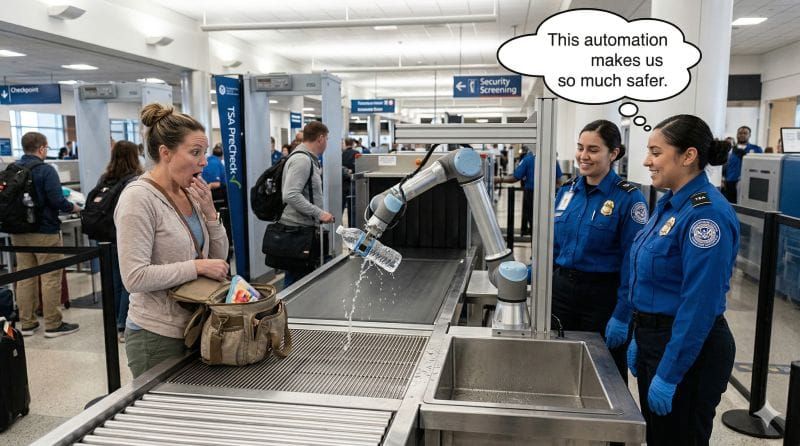
The problem is that compliance is built on a broken foundation. Take annual security questionnaire cycles: vendor answers arrive months late with unvalidated data, the responses get filed, and the data rots in a silo, disconnected from real-time risk decisions. Wrapping that workflow in AI doesn't fix it but it will make the dysfunction prettier, slightly faster and show that you met the "USE AI" mandate from on high.
The firms that fall behind in this world won't be the small ones without resources. It'll be the larger ones that digitized their broken manual process instead of replacing it. Auditable chaos is still chaos.
The firms that pull ahead will redesign their processes from the risk decision backward. TPRM functions need to run continuously, flagging vendor risk in real time, and treating the questionnaire cycle as a legacy artifact rather than a foundation to automate.
This is the thesis behind TrustMind — if you're going to rebuild TPRM, build it for the new model from day one instead of wrapping AI around the broken one.
If you get to upgrade your current TPRM process or replace it, which process would you eliminate entirely rather than automate?